
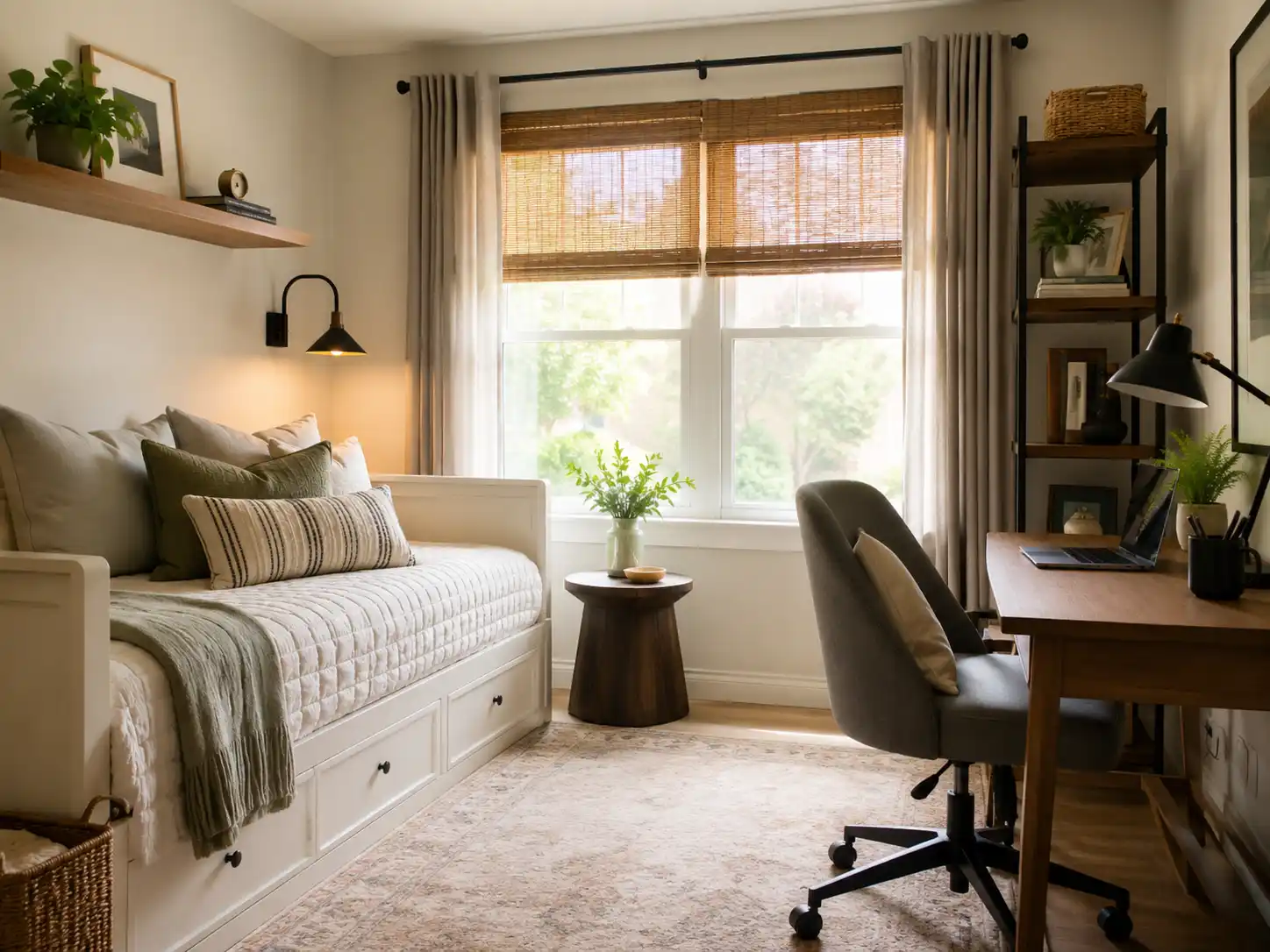
Trying to furnish a guest room, office, or flexible living space? Here is how futons, sleeper sofas, and daybeds compare when comfort and practicality both matter.
Not every room has the luxury of being just one thing. Sometimes a guest room is also a home office. Sometimes a bonus room needs to double as a place to relax. Sometimes you simply want a smart sleep solution for a smaller space.
That is where futons, sleeper sofas, and daybeds come into the conversation. Each offers a different mix of style, flexibility, and sleep function. The best one depends less on what sounds impressive and more on how you actually plan to use the room.
Why multi-use furniture is so popular
Homes have to work hard these days. Many people want spaces that can adapt easily without feeling cramped or overfilled.
Furniture that offers both seating and sleeping potential can be a practical way to make a room feel more versatile. It can also help you create a comfortable setup for guests without dedicating an entire room to a traditional bed.
What a futon does best
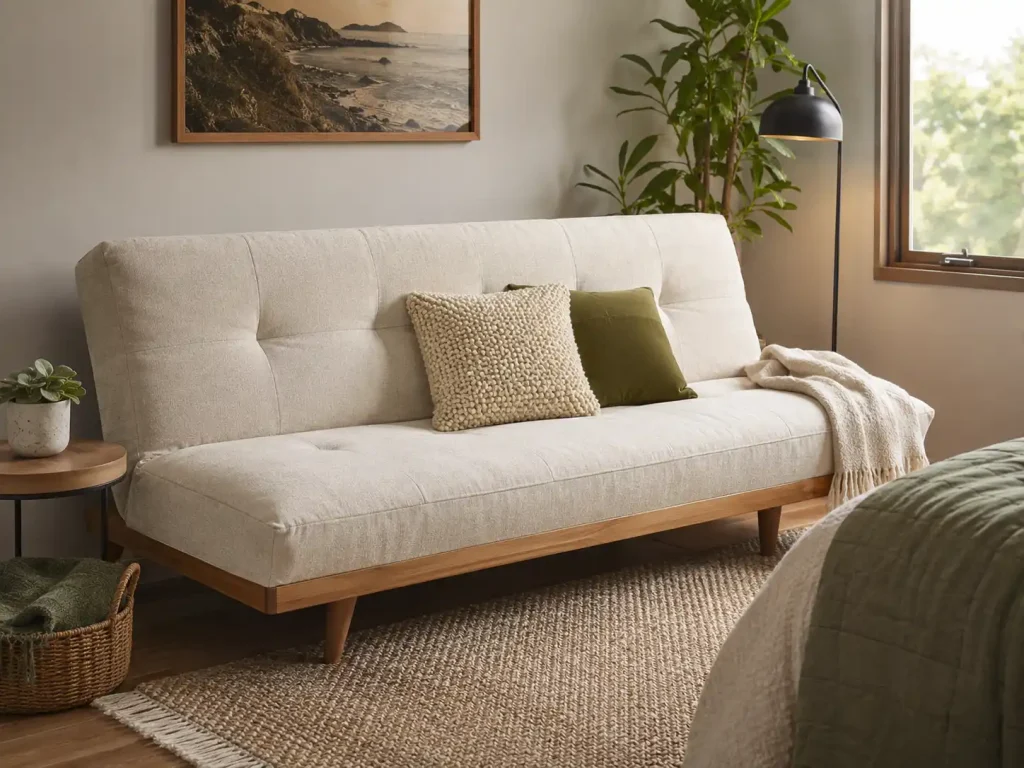
A futon is often a strong choice for flexible spaces because it can switch between seating and sleeping fairly easily. It is often a practical fit for casual guest rooms, bonus rooms, or spaces that need simple versatility.
Futons can also work well in rooms where a lighter, more adaptable feel is important.
What a sleeper sofa does best
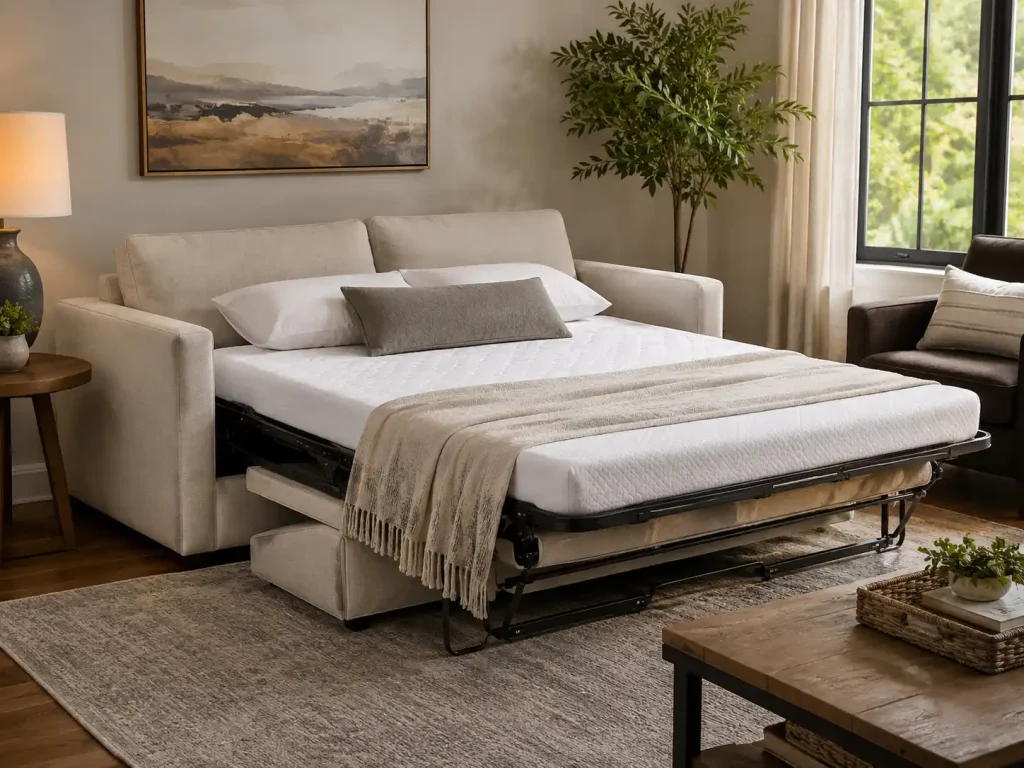
A sleeper sofa tends to shine in spaces that function mainly as living areas but occasionally need to accommodate overnight guests. It can give you the look and function of a sofa first, with sleeping space built in when needed.
For some homes, that is the perfect balance.
What a daybed does best
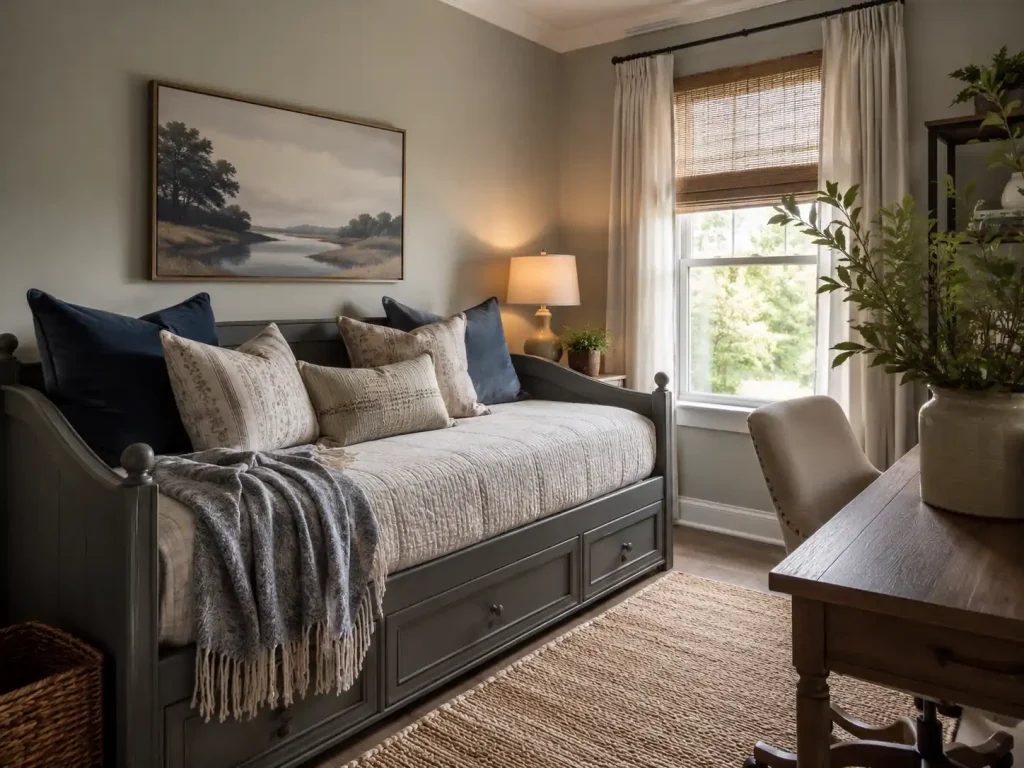
A daybed often works beautifully in guest rooms, offices, or smaller spaces where you want the room to feel finished and inviting even when no one is sleeping there.
It can blend seating and sleeping use in a way that often feels a little more polished or built into the room’s design.
➡️ If you want to explore futons, sleeper sofas, and adjustable daybeds in person, you can find nearby locations here:
- Panama City, FL: https://www.thesleepcenter.info/
- Ft. Walton, FL: https://www.thesleepcenter.us/
- Pensacola, FL: https://www.sleepcentersuperstores.com/
- Gainesville, FL (both locations): https://www.gainesvillesleepcenter.com/
- The Villages, FL: https://www.sleepcentervillages.com/
Which option makes the most sense for small spaces?
That depends on how often the room is used for sleep versus everyday living. If the room regularly needs to switch roles, a futon or sleeper sofa may offer more flexibility. If the room leans more toward guest use with occasional seating appeal, a daybed may be a great fit.
The smartest choice is usually the one that best matches the room’s real job.
Think about comfort, style, and daily practicality
Looks matter, but so does usability. Ask yourself whether guests will sleep there often or only occasionally. Think about whether the room needs to feel like a lounge space, a bedroom, or something in between.
When comfort and practicality work together, the room tends to feel better in everyday life.
Final thoughts
There is no single winner in the futon vs. sleeper sofa vs. daybed debate. Each one can be the right solution in the right room.
The key is to choose based on how you live, how your guests use the space, and what will make the room feel comfortable and functional long after the shopping is done.

FAQ
1: Which is better for guests: a futon, sleeper sofa, or daybed?
The best option depends on how the room is used. A futon works well for flexible spaces, a sleeper sofa is great for living rooms that occasionally host guests, and a daybed can be a good fit for guest rooms, offices, or smaller spaces.
2: Is a futon good for a small room?
Yes, a futon can be a practical choice for a small room because it can function as both seating and a sleeping surface. It is often a good fit for bonus rooms, guest rooms, apartments, or casual living spaces.
3: When should I choose a sleeper sofa?
A sleeper sofa makes sense when the room is primarily used as a living space but needs to accommodate overnight guests from time to time. It gives you the everyday function of a sofa with an added sleep option when needed.
4: What is the advantage of a daybed?
A daybed can make a room feel more polished and inviting while still offering a place to sleep. It often works well in guest rooms, offices, or smaller spaces where you want the furniture to feel more like part of the room’s design.
5: Which option is best for everyday use?
For everyday seating, a sleeper sofa or futon may be more practical. For regular guest use or a room that leans more like a bedroom, a daybed may make more sense. The best choice depends on whether the space is used more for sitting, sleeping, or both.
➡️ For all your mattress and bedding needs:
- Panama City, FL: https://www.thesleepcenter.info/
- Ft. Walton, FL: https://www.thesleepcenter.us/
- Pensacola, FL: https://www.sleepcentersuperstores.com/
- Gainesville, FL (both locations): https://www.gainesvillesleepcenter.com/
- The Villages, FL: https://www.sleepcentervillages.com/
Explore Mattress Education
Related Articles

Can You Use Any Mattress on an Adjustable Base?
Adjustable bases have become a lot more popular, and for good reason. They can make reading, relaxing, and finding a comfortable sleep position easier than ever. But once…
Read Article
The “Stand Up Without the Struggle” Chair Guide
A friendly comparison of 4 Mega Motion power lift chairs (from budget to “treat yourself”) Let’s be honest: most of us don’t think about a lift chair until…
Read Article
Adjustable Beds Vs. Smart Mattresses: What Heals Faster?
Why Healing Speed Matters: Setting Up the Adjustable Beds vs. Smart Mattresses Debate One in three adults isn’t getting enough sleep—and that slows healing, amplifies pain, and drains…
Read ArticlePut what you’ve learned into practice.
Visit a Sleep Center showroom to compare mattresses and sleep products in person with pressure-free help from experienced specialists.
Find a Sleep Center